Assateague Island, MD & VA
- Monica Puerto

- Jul 6, 2021
- 4 min read

This place holds a special place in my heart. One of the first dates Colby and I had was when he drove us three hours (one way) from DC for a day trip to Assateague Island State Park on the Maryland side to see the wild ponies. I have never seen a wild pony before and on our way out we caught the glimpse of the pony with brown and white spots grazing gently along with the sunset on our way out of the park. The second time a couple of years later, in the same Maryland area we decided to camp. As rookies, we did not know we had to reserve a spot months in advance so the only spot left was 4 miles. As avid hikers we though it would be a piece of cake. Unprepared with the proper camping gear (just a blanket and a borrowed tent from a friend), we ended up with blisters on our feet from walking barefoot in the sand. This image of Colby on our right acting as our camping mule makes me laugh to this day. Now fast forward to us 4 years later (wow time flies), and we have our lightweight backpack, Colby believes in sunscreen now, bucket hat, and we stay at an Airbnb nearby. I guess with age comes wisdom from trial and error.


Assateague Island is saddled between Maryland Virginia and is one of the northeastern's most precious National Seashores. Did you get the pun? The main attraction to this Nation's gem is the Wild Ponies. If you are on the Virginia side they are referred to as the Chincoteague ponies, because the fire department station of that island owns and manages them whereas on the Maryland side they are managed by the National Park Service. Every year, at the end of July the fire department that manages the horses corral them and auction off the first foal that swims to shore. The ponies are not native to this land, although horses' ancestors were native in North America these specific horses found on Assateague are believed to have been brought by European settlers. The tale is a ship was shipwrecked and the surviving horses swam to shore, and all the descendants found on these islands are from those horses. Later as settlers settled around this area, specifically Chincoteague, the natural seashore acted as a barrier and corralled the horses. How these horses live in this hot heat, poor vegetation, along with the aggressive mosquitoes for hundreds of years amazes me.
This leads me to my least favorite thing on the island, the mosquitoes. They are ruthless in this area. You absolutely have to wear DEET, long sleeve clothing, maybe even a bug net if you will be hiking in the summer and fall. Peek to the left of this gallery, the massive welts from the mosquito bites versus Monica on the right with fewer bites and smiling.


I hope I am not deterring you from visiting this place. I just want you to be prepared. This place is teeming with wildlife if you look closely and is so beautiful. Below is probably one of my most proud images of this place. The sunrise I captured from our primitive camping back in 2017. I am so proud of it that I even watermarked it. All the images on my blog are 100% taken by me. The long strokes of the foam on this beach are captivating and in the sunrise, it just glistens.

The water was freezing in the picture below since it was the morning and the sunshine has not had a chance to warm it up a bit, but I was a happy clam since I have been ocean/beach deprived since moving from Miami / Miami Beach to DC in 2014. I traded my beaches for a whole new life but miss them terribly especially during winter. I grew up near the water, being a native Miamian so, despite the freezing temperatures to some, I still managed to swim in the ocean.

In 2021, on the Virginia side, I set up my chair and book and relaxed watching the crabs peek out and attack the flies walking on the sand. I did not have my phone to take pictures since I was trying to cut down on screen time which was aggressive during the pandemic. It amazed Colby and me how these little creatures shimmied across their own perceived massive sand dunes effortlessly and harvested all the mosquitoes they came across and killed. It appears crabs are opportunistic feeders and will eat about anything. I was thankful to be surrounded by what seemed a community of them ranging from sizes as small as my thumb to ones as large as my hands just collecting and diminishing the fly count around us.
Other than laying out on the beach, since we an active couple we also dusted off our inflatable kayak and took it out for a spin on Tom's Cove. The land is also marshy, and as we kayaked into the low tide of a maximum of 4 ft of water we saw a bunch of birds (even a bald eagle), a manta ray gliding next to us, and a pufferfish. We kayaked at 8 am and covered ourselves in Deet, and fortunately had a great kayak with no mosquitoes bites!


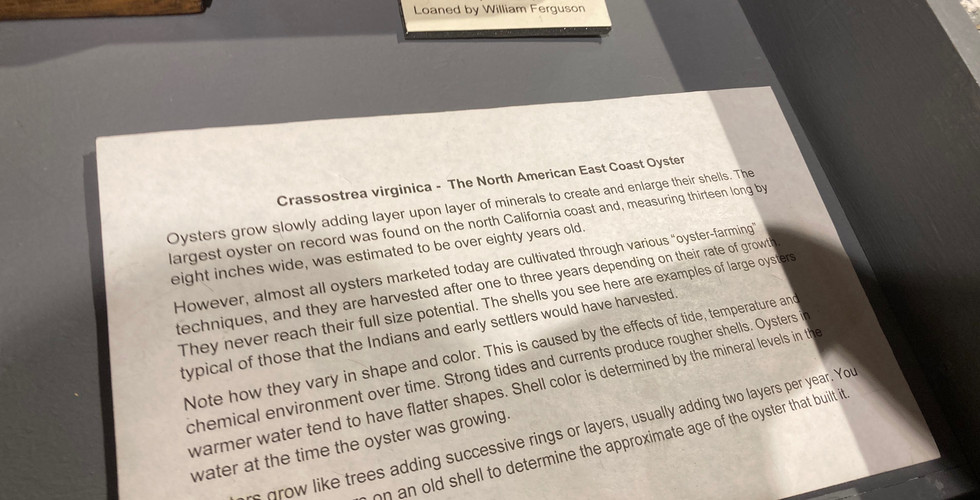
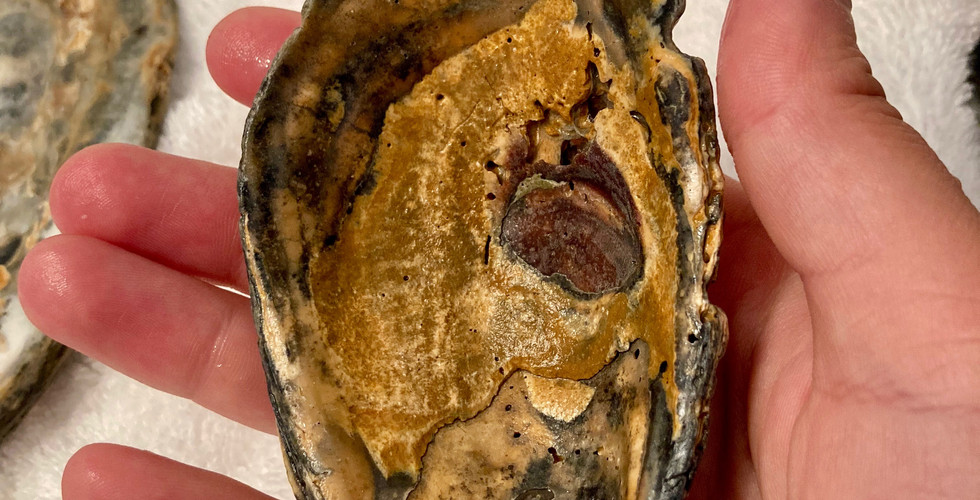
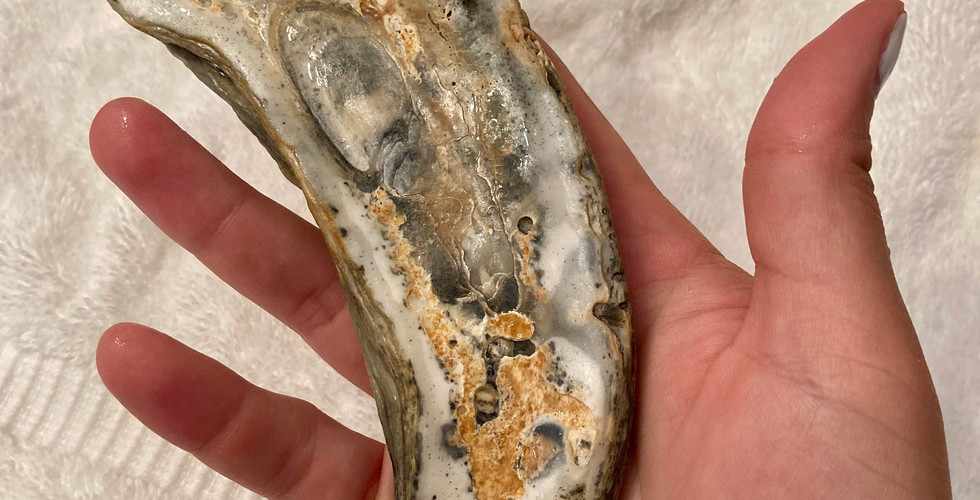
There is a lot of history on the island of Chincoteague, VA where we stayed just now for July 4th. I highly recommend the Chincoteague Museum where peeked into how the first settlers lived in the past hundreds of years ago, and how many traditions such as the yearly pony auction are still practiced. One of the things I read in the museum was about how the oyster shells are affected by the strength of the tide and weather conditions. Scroll through the gallery and see how different these oyster shells than the ones you eat at restaurants. They are so beautiful to me, each with a different story. Colby found the longest one, one of my favorites. I measured it, it is 8 inches long and 3 inches wide. It must be at least twenty years old, I would imagine. They now all sit pretty on my kitchen table. Now I will always have the ocean near me even during winter :).





Thanks for reading! Hope you are inspired to come out and visit both parts of Assateague Island! Stay tuned for my next blog post in November when Colby and I visit a National Park in Hawaii :).


Comments